Weather-Driven Edges: Mapping Atmospheric Impacts on Global Match Selections
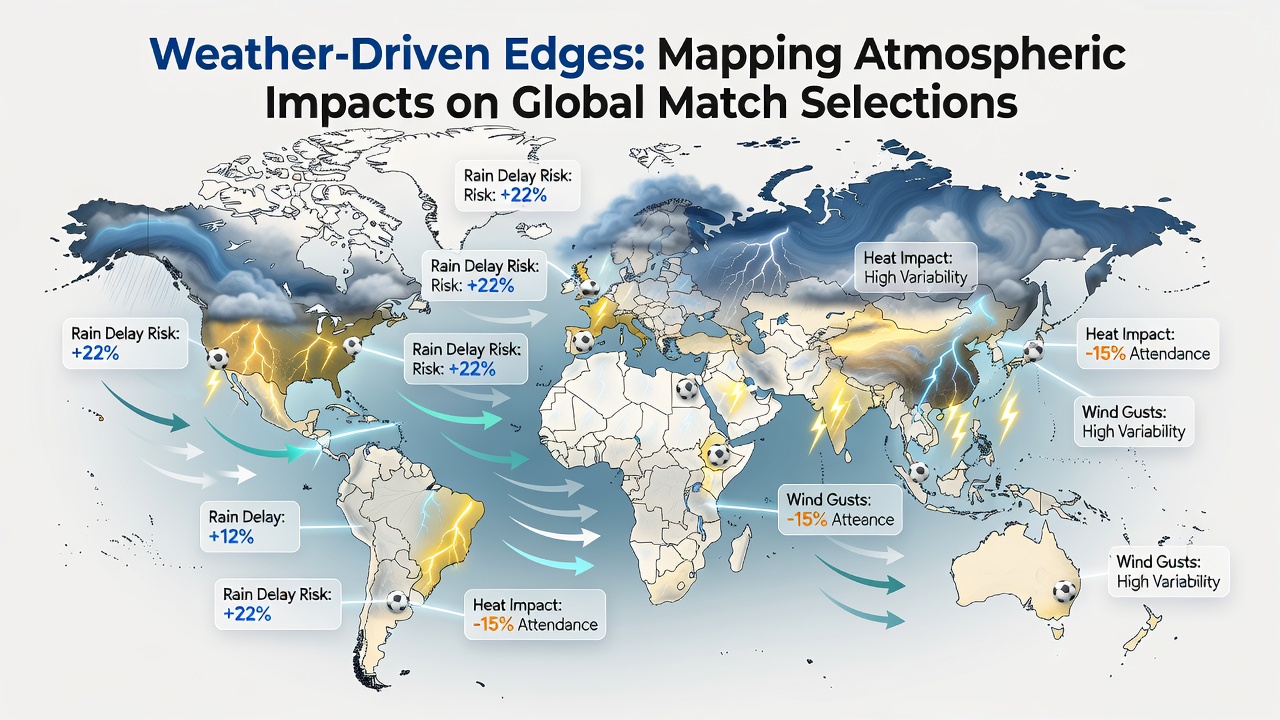 Atmospheric conditions shape outcomes across countless sports and researchers have documented consistent patterns where temperature shifts, precipitation levels, wind speeds and humidity alter player performance along with equipment behavior. Data collected from professional leagues worldwide reveals that these variables create measurable edges when bettors analyze historical trends tied to specific weather forecasts rather than relying solely on team form or player statistics. Meteorological records from organizations such as the National Oceanic and Atmospheric Administration demonstrate how sudden rainfall changes grass pitch traction in football matches while simultaneously affecting ball aerodynamics in baseball games played under open skies. Observers note that pitchers in Major League Baseball post lower strikeout rates when humidity exceeds 70 percent because the ball grips differently against fingers during release and hitters adjust swing paths accordingly in documented case studies spanning multiple seasons. Temperature extremes produce equally notable effects on endurance sports including tennis and cricket where surface temperatures above 35 degrees Celsius accelerate fatigue in longer matches. Players competing at the Australian Open have shown reduced rally lengths in afternoon sessions during heatwaves according to performance analytics compiled by the International Tennis Federation and these shifts often push total points markets toward the over when conditions persist across multiple days. Wind patterns introduce another layer of complexity particularly in outdoor venues where gusts exceeding 25 kilometers per hour disrupt passing accuracy in rugby and soccer. European leagues tracked by the European Environment Agency report that matches scheduled during frontal systems with variable winds see higher numbers of turnovers and set-piece opportunities which directly influences both corner counts and goal-line betting lines.
Regional Variations in Weather Influence
Different climates produce distinct impacts that bettors map across continents because a dry spell in South America affects football pitches differently than monsoon conditions in South Asia. In North American baseball stadiums with retractable roofs teams sometimes close the structure mid-game when forecasts predict heavy downpours and this decision alters run-scoring environments in ways that historical data captures clearly. Cricket matches in England and Australia provide further examples where cloud cover reduces swing movement for fast bowlers while bright sunshine encourages spin-friendly conditions later in the day. The Bureau of Meteorology in Australia publishes detailed pitch and weather reports before Test matches and these resources allow analysts to anticipate when seamers or spinners gain advantages that translate into runs totals and player performance props.Data Integration for Match Selection
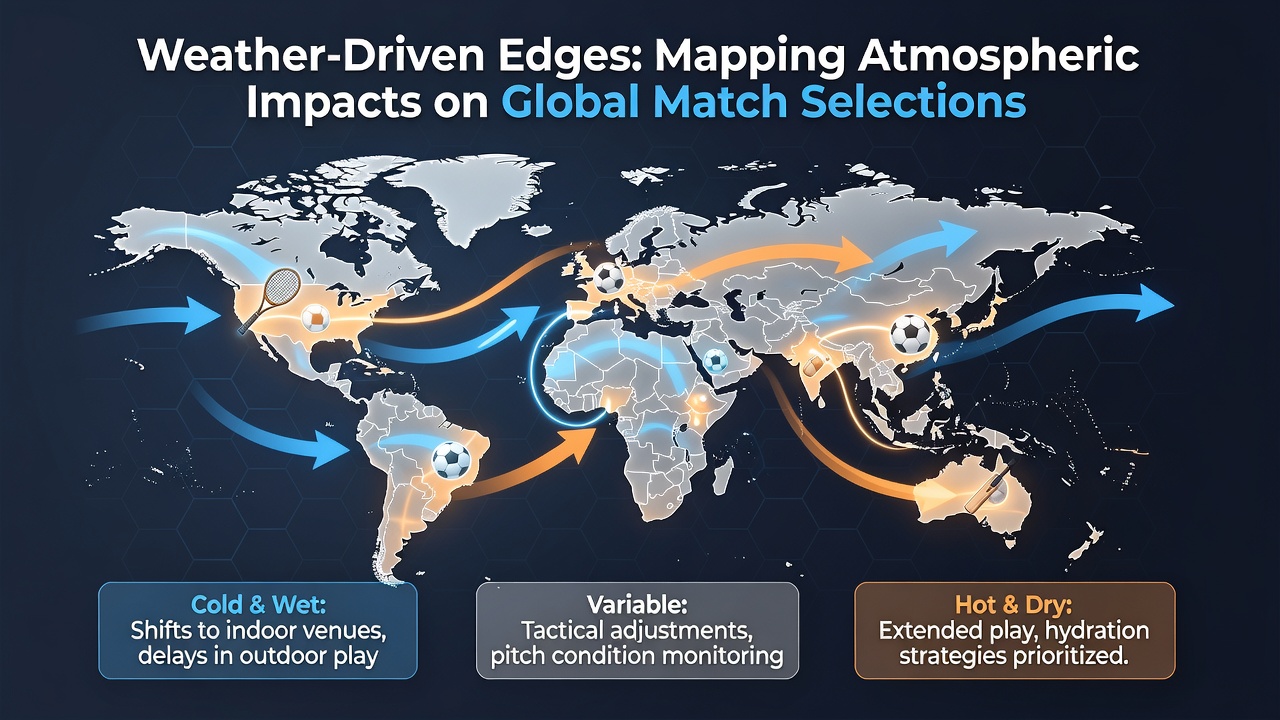 Analysts combine real-time forecasts with historical databases to identify value in global fixtures and this approach gains relevance ahead of major events scheduled for June 2026 when several international tournaments coincide with seasonal weather transitions in both hemispheres. Studies from university research groups indicate that integrating atmospheric data improves predictive models for over-under markets by margins ranging from 4 to 8 percent compared with models that exclude environmental variables. Those who study these patterns often reference reports from the World Meteorological Organization which compiles standardized observations across member nations and enables cross-league comparisons. Such datasets reveal that high-altitude venues like those in Mexico or South Africa experience lower air density that extends the flight distance of balls in multiple sports creating consistent upward pressure on scoring metrics when conditions remain stable.