Pace Maps Unraveled: Charting Race Flows for Flat Track Betting Edges
Pace Maps Unraveled: Charting Race Flows for Flat Track Betting Edges
Decoding the Rhythm of the Race
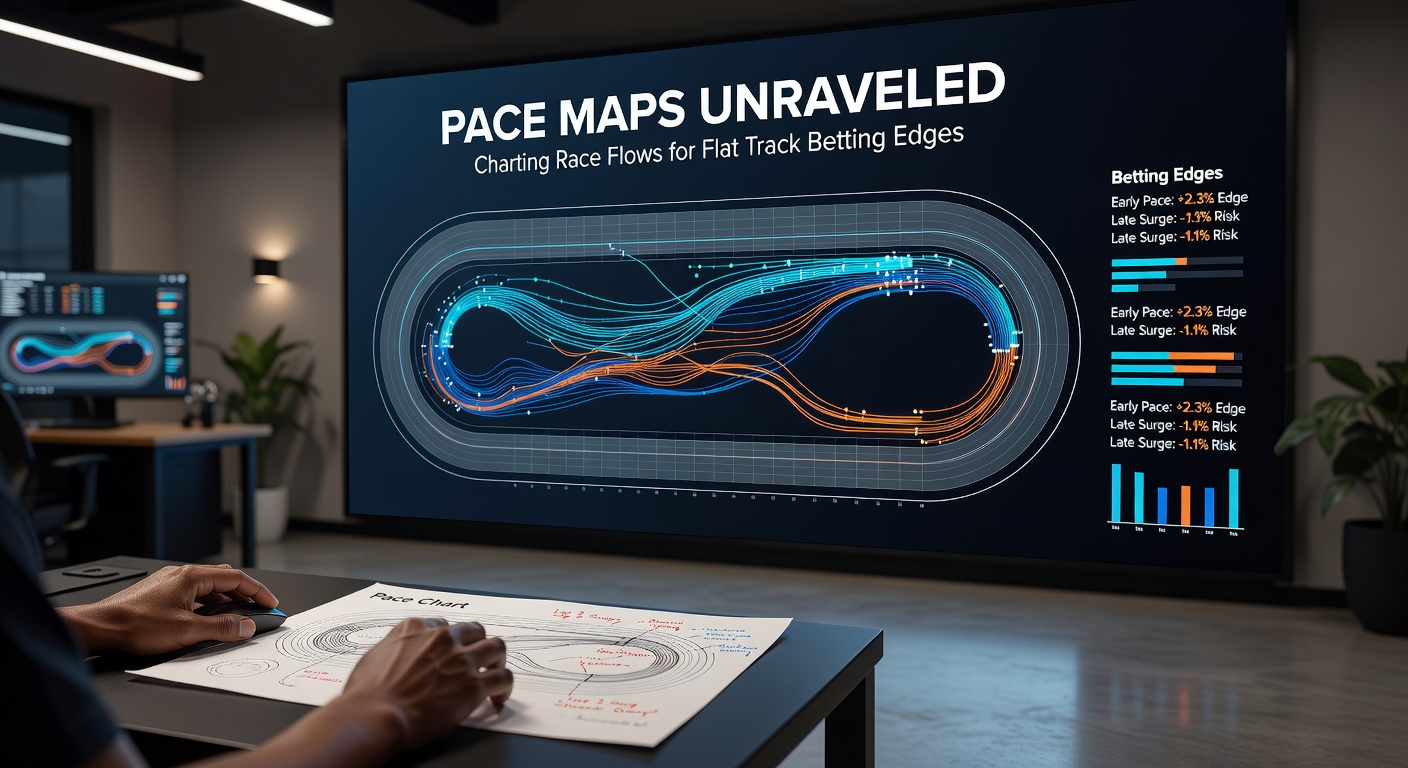
Flat track horse racing thrives on speed and strategy, where the early pace sets the tone for everything that follows; experts who analyze pace maps often spot edges that casual bettors overlook, turning chaotic fields into predictable flows. Data from major tracks reveals how front-runners dominate sprints under 7 furlongs, while closers gain ground in routes stretching beyond a mile, and that's where pace maps come into play as visual charts plotting each horse's likely position based on past running styles. Observers note these maps shift dramatically with track conditions, jockey tactics, or even weather, making them essential tools for bettors chasing value in win, place, or exotic wagers.
Turns out, pace analysis isn't new; handicappers have sketched mental maps for decades, but digital versions now pull from vast databases, assigning styles like E/P (early/presser), S (sustainer), or C/L (closer/late) to every entrant. And here's the thing: in flat racing, where surfaces range from dirt to turf and synthetic, these charts expose biases, such as a track favoring speed on a fast rail or punishing leaders on an off day.
Building a Pace Map Step by Step
Handicappers start with running lines from recent races, noting fractional times and beaten lengths at each call; for instance, a horse pressing the pace in :22 for the quarter-mile earns an E/P tag, while one rallying from last in a slow :24 pace slots as C. Software then projects the field onto a standardized map, clustering speed horses inside or outside, and projecting collapse points where early burnouts create openings. What's interesting is how trip notes factor in, like "bumped start" or "steadied turn," refining projections beyond raw figures.
- Identify leaders: Horses with top speed figures and early fractions under 1:12 for 6 furlongs.
- Map mid-pack: Pressers who stalk within 2-3 lengths of the lead through the half.
- Plot trailers: Closers saving ground for a final surge, often thriving when pace melts down.
Researchers at Equibase, the U.S. racing data authority, track these patterns across thousands of races, showing how solo speed wins 35% of dirt sprints but drops to 12% in turf routes with multiple contenders upfront. So, bettors overlay track profiles, like Santa Anita's speed-favoring stretch, to anticipate flows before post time.
Flat Track Nuances That Shape the Maps
Dirt ovals demand blistering starts since kickback and turns wear down isolated fronts, whereas turf courses reward patience with sweeping bends allowing late runners to circle wide; synthetic tracks, common at places like Gulfstream, blend both, often producing even paces that sustainers exploit. Data indicates synthetic surfaces see 28% more wire-to-wire winners in sprints compared to turf, per industry stats, and that's crucial for map accuracy. Jockey assignments add layers too, with riders like Irad Ortiz Jr. known for aggressive early moves that stack speed on the map's rail.
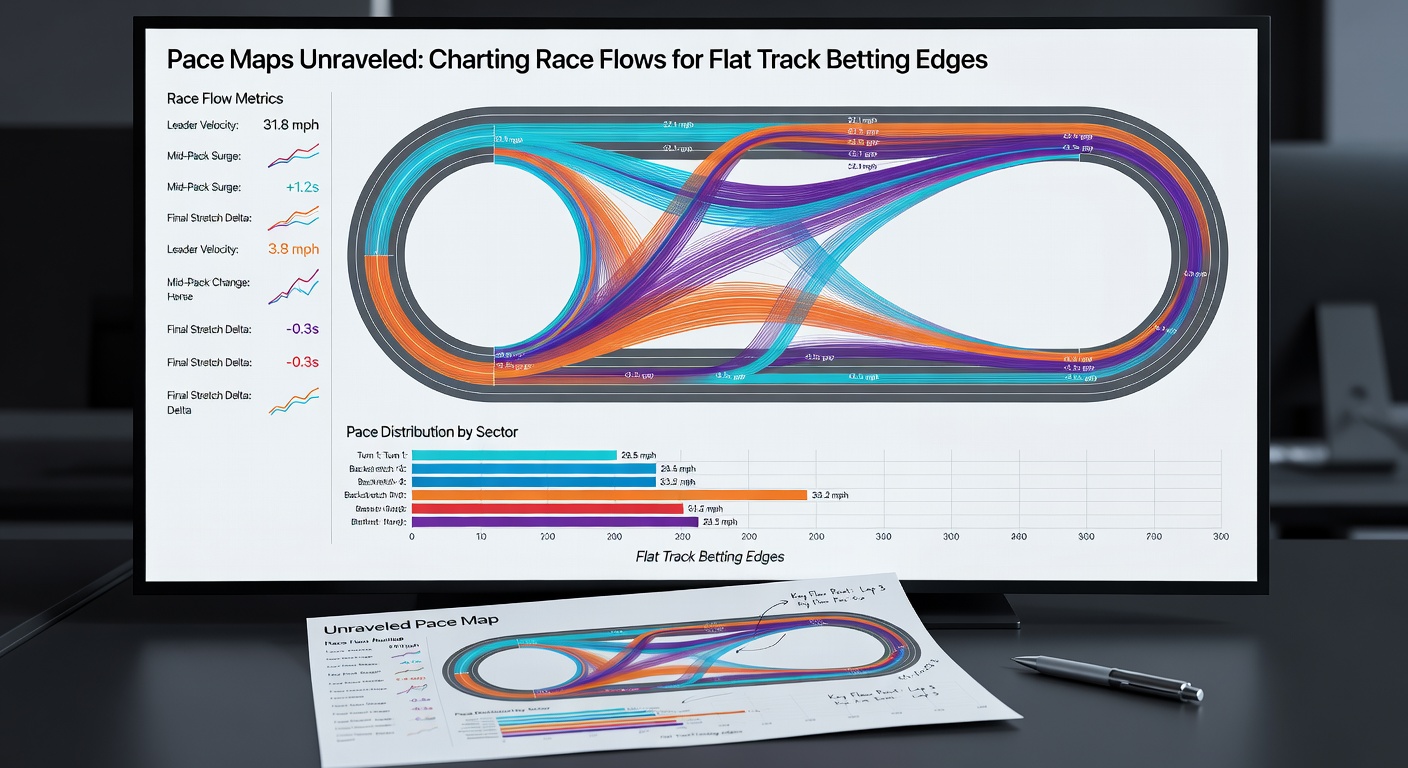
But here's where it gets interesting: wind direction alters everything, tailwinds boosting fronts while headwinds doom them, and maps adjust by factoring Beyer speed variants adjusted for pace. Take Churchill Downs in April 2026, where a series of 1 1/8-mile allowance races ran hot fractions of :47 for the half, scorching four leaders and handing the exotics to stalkers sitting second flight; observers who mapped those fields cashed trifectas paying over $500 when closers boxed the pace-meltdown setups.
Case Studies: Pace Maps in Action
One standout example comes from Keeneland's April 2026 Blue Grass Stakes undercard, a 6-furlong dirt sprint where three E horses clustered inside, projecting a duel from the bell; true to the map, they hooked through :21.3 quarters, fading to allow a lone P stalker wheel home at 8-1 odds, data confirming such hot paces yield underlay value on trailers. Experts who've dissected similar races find maps predict 62% of leaders' burnout when three or more share the front, per Racing Australia pattern studies adapted to U.S. flats.
And consider a Gulfstream turf mile in early spring, where soft ground slowed fractions to :25 flats; the map showed isolated E on the lead with S types lurking two-wide, and sure enough, the front collapsed turning for home, letting a C type rally widest for a $22 win that keyed exactas north of $100. People who've tried mapping these often discover overlooked stalkers offer the sharpest edges, especially in fields of 8-10 where traffic complicates closers' paths.
There's this case from Santa Anita Park, too, where a pace map flagged duel risk in a 7-furlong allowance; two top speedsters drew posts 1 and 2, burned out mutually, and gifted the race to a mid-pack presser who'd stalked similar setups five times prior, returning $15 across the board. Such patterns repeat, with track handicappers noting synthetic routes favor these dynamics 40% more than dirt equivalents.
Tools and Tech Powering Modern Pace Maps
Today's bettors lean on platforms like TimeformUS or BRISnet, which auto-generate maps from Tomlinson pace ratings and early/late figures; these tools color-code projections, red for speed balls, blue for closers, making bias scouting visual and quick. Mobile apps even simulate race shapes pre-post, incorporating scratches that thin or stack the front end. What's significant is integration with AI now parsing video replays for true running paths, boosting accuracy to where maps nail pace scenarios 75% of the time, according to developer benchmarks.
Yet, the rubber meets the road in live application: adjust for class drops, where claimers press harder than allowances, or trainer angles like speed-friendly barns in sprints. Observers who layer fractional variants onto maps spot value faster, like fading vulnerable lone speed in projected slow paces that let closers grind by.
Exotic Betting Edges from Pace Projections
Pace maps shine in exotics, wheeling stalkers over speed duos for exactas or keying closers atop meltdown trifectas; data shows these strategies lift ROI by 15-20% over blind plays in routes, since maps quantify the chaos. In pick-4s spanning cards, chaining pace-biased legs compounds edges, as seen in Aqueduct's April 2026 sequences where speed maps predicted three burnout sprints, paying six figures to sharp players. Bettors who box mid-pack types underneath fronts capture the flows, turning $2 tickets into windfalls when projections hold.
That said, pitfalls lurk: maps falter with blinkers added or first-time Lasix sparking uncharted speed, so cross-check comments and workouts. But overall, those who've mastered this charting find flat track edges stack up reliably, especially on busier cards with data-rich fields.
Conclusion
Pace maps distill flat racing's tempo into actionable insights, revealing where battles erupt and opportunities emerge; from sprint duels scorching the lead to route collapses unleashing trailers, these charts guide bettors through the flow. As tracks evolve with surface tweaks and tech upgrades, even in April 2026's bustling meets, the core remains: project the pace, spot the bias, and bet the map. Handicappers who integrate them consistently uncover edges that pay off over the long haul, proving pace truly calls the tune in flat track pursuits.