Decoding Equine Ancestry: Genetic Insights from Lineage Records in Thoroughbred Racing

Thoroughbred racing has long depended on meticulous record-keeping of bloodlines, and modern analysis now connects these historical documents to measurable performance traits through genetic research. Pedigree databases maintained by organizations such as The Jockey Club in the United States and similar bodies in Australia allow breeders and analysts to trace ancestry across dozens of generations while identifying patterns that influence outcomes on the track.
Historical Development of Lineage Documentation
Stud books originated in the eighteenth century as handwritten ledgers that recorded births, matings, and racing results, yet these early volumes already revealed recurring success among certain family lines. Over time the General Stud Book in Britain and parallel registries elsewhere standardized the process, which created searchable archives that researchers now mine for statistical correlations between ancestry and race metrics such as winning percentage, distance preference, and injury resilience.
By the late twentieth century computerized systems replaced paper ledgers, and this shift accelerated the ability to cross-reference thousands of pedigrees against performance data collected from racecourses worldwide. Analysts began noticing clusters of high-achieving horses sharing common ancestors, prompting formal studies that applied quantitative genetics to racing populations.
Modern Genetic Tools Applied to Pedigrees
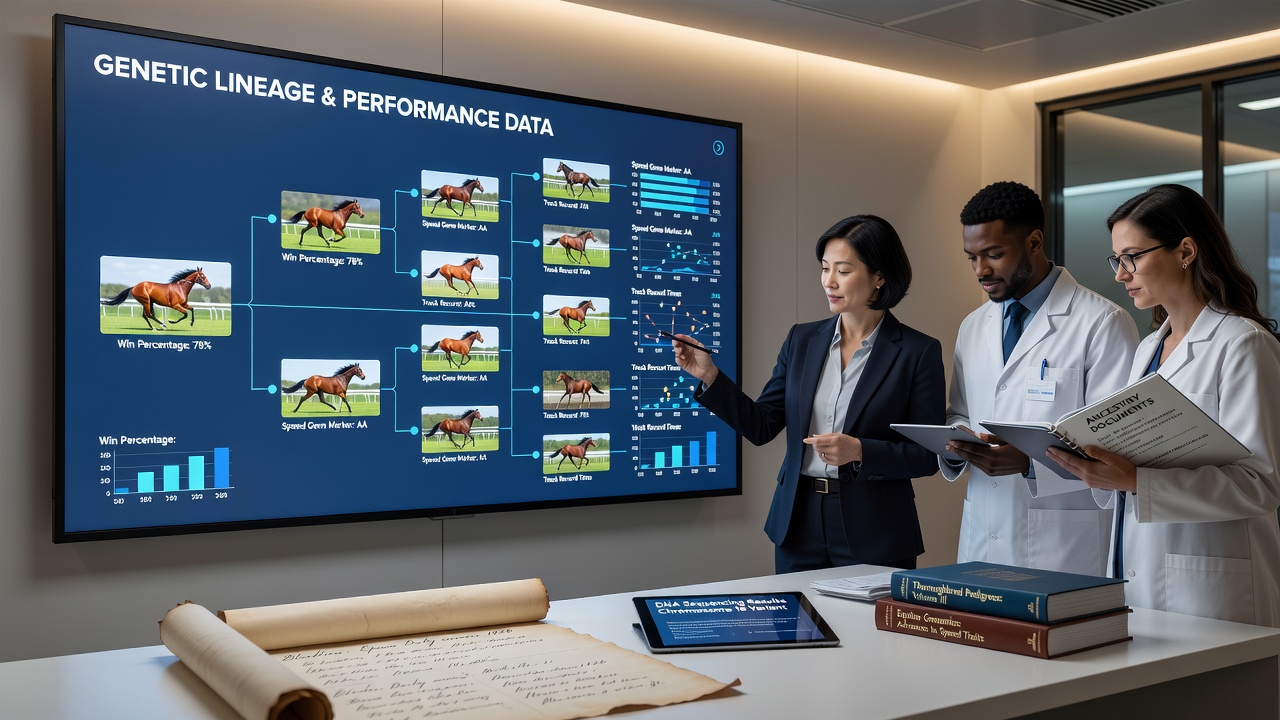
Contemporary methods combine traditional pedigree analysis with DNA sequencing to locate markers associated with traits like muscle fiber composition and cardiovascular capacity. Researchers at institutions including the University of Sydney have published findings that link specific gene variants to elite sprinting ability, while parallel work in Ireland has examined stamina-related alleles in stayers. These studies rely on lineage records to select representative samples across bloodlines, ensuring statistical power when correlating genotype with phenotype.
Key Bloodlines Under Examination
Northern Dancer appears in the pedigree of a large proportion of modern stakes winners, and quantitative analysis shows elevated success rates among his descendants in middle-distance races. Similarly, the Mr. Prospector line contributes speed-oriented genetics that surface repeatedly in sprint results recorded across North American tracks. Observers note that these patterns emerge only when large datasets spanning multiple decades are examined, which underscores the value of comprehensive lineage archives.
Performance databases now integrate GPS timing, stride length measurements, and recovery times, supplying granular variables that geneticists match against pedigree coefficients. In July 2026 several international breeding conferences presented updated models that refined earlier predictions by incorporating environmental factors such as track surface and training regimens alongside genetic data.
Practical Applications in Breeding and Selection
Breeders consult estimated breeding values derived from both pedigree depth and genomic testing when planning matings, and these tools have demonstrably increased the frequency of horses that reach graded stakes level. Trainers review lineage summaries before purchasing yearlings at auction, focusing on ancestors known to transmit soundness as well as raw ability. Sales companies publish pedigree highlights that reference these genetic insights, giving buyers clearer expectations about probable distance aptitude and career longevity.
Insurance underwriters have begun incorporating genetic risk profiles when setting premiums for high-value animals, citing data that shows reduced claims among horses whose pedigrees indicate lower susceptibility to common orthopedic issues. Regulatory bodies in multiple jurisdictions now require disclosure of certain genetic test results during export or registration, which further standardizes the use of lineage-derived information across borders.
Challenges and Limitations in Current Research
Despite advances, environmental influences still account for substantial portions of performance variance, and separating these effects from genetic contributions remains complex. Population bottlenecks in the thoroughbred breed limit genetic diversity, which can reduce the predictive accuracy of some models. Ongoing projects therefore emphasize the collection of larger, more diverse datasets that include horses from regional racing circuits in addition to major international venues.
Privacy considerations surrounding individual horse genomes have also surfaced, leading several stud book authorities to implement controlled-access portals for researchers. These measures balance scientific progress with commercial sensitivities while maintaining the integrity of the historical records that form the foundation of all subsequent analysis.
Conclusion
Lineage records continue to serve as the essential scaffold upon which genetic research into racehorse outcomes is constructed. As sequencing technology becomes more affordable and datasets grow, the precision of predictions drawn from ancestry will likely increase, yet the foundational value of centuries-old stud books remains unchanged. Continued collaboration between registries, academic institutions, and industry participants ensures that these resources evolve alongside new scientific capabilities.