Corners and Chaos: Unearthing Value in Football's Prop Bet Goldmines
Corners and Chaos: Unearthing Value in Football's Prop Bet Goldmines
The Rise of Prop Bets in Modern Football
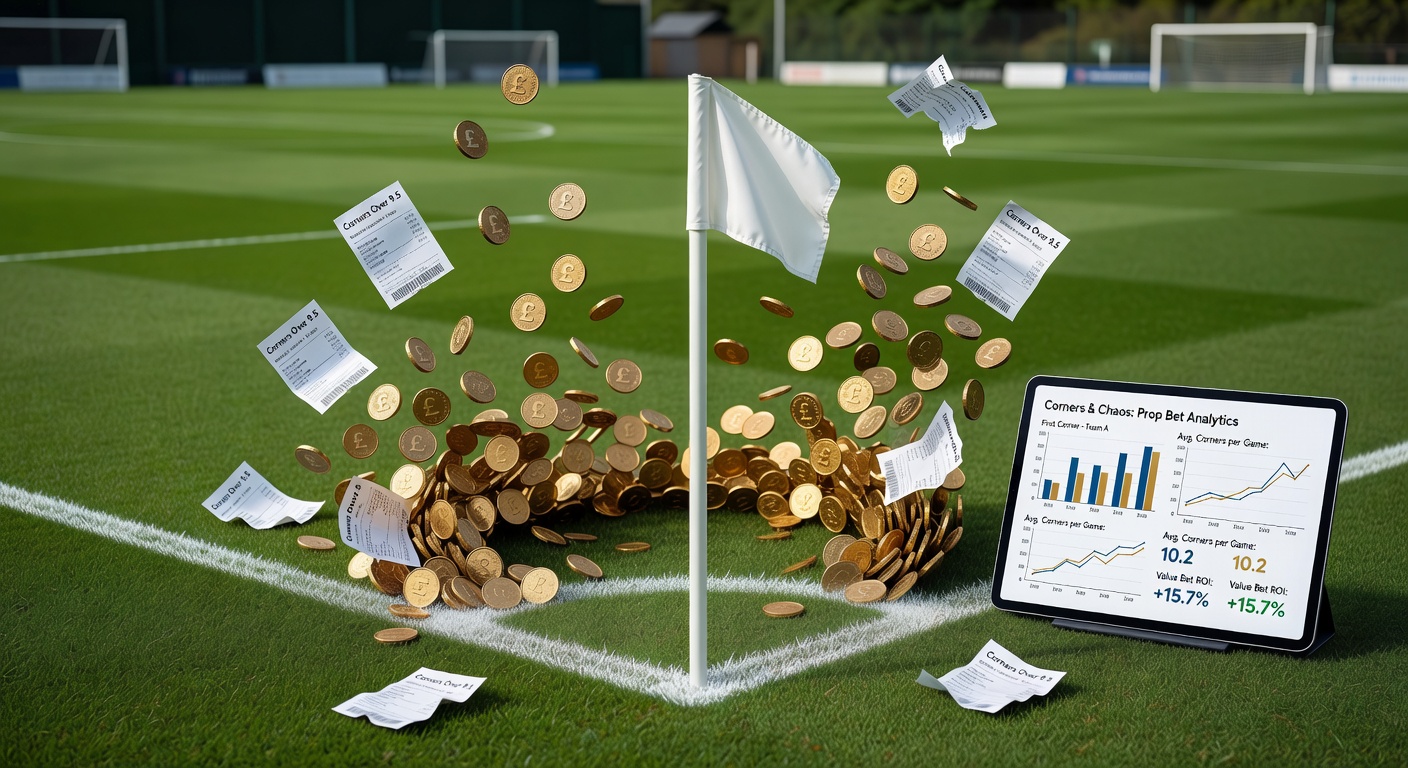
Football's betting landscape has shifted dramatically in recent years, with prop bets emerging as a cornerstone for those seeking edges beyond straightforward match outcomes; these wagers zero in on specific in-game events like corners, cards, and shots, often revealing inefficiencies in bookmakers' lines. Data from major leagues underscores this trend, as average corner counts per match climbed to 10.2 across Europe's top five divisions in the 2025-26 season, up from 9.7 the prior year, according to Opta Sports analytics. And that's before factoring in the chaos elements, where yellow cards averaged 4.1 per game in the Premier League through March 2026, creating fertile ground for value hunters.
Prop bets, short for proposition bets, allow punters to dive into granular aspects of play; teams pressing high generate more corners, while tactical fouling spikes card totals in derbies. Observers note how bookies set lines based on historical averages, but real-time factors like weather, injuries, or managerial shifts disrupt those models, opening doors to profitable discrepancies. Take Serie A matches in early 2026, where rainy conditions in northern Italy pushed corner totals 15% above norms, yet lines lagged behind.
What's interesting here is the sheer volume; global prop bet turnover hit €2.5 billion during the 2025 World Cup qualifiers, per figures from the European Gaming and Betting Association, with corners and cards accounting for 28% of that action. Bettors who've mastered these markets often uncover odds 5-10% better than main lines, especially in lower-profile leagues where data scarcity keeps bookies guessing.
Decoding Corners: Where Geometry Meets Opportunity
Corners stand out as the prop bet darling because they cluster around predictable patterns, yet chaos from deflections and poor clearances injects variability that bookies undervalue. Researchers analyzing La Liga data from 2024-26 found home teams averaged 6.3 corners per game versus 4.8 for away sides, a gap widening in possession-heavy contests; that's significant since 62% of matches exceed 9.5 total corners when top teams clash.
But here's the thing: not all corners are equal. Teams like Manchester City under Pep Guardiola in March 2026 racked up 7.2 corners per match on average, their overlapping fullbacks forcing keepers into desperate punts; contrast that with defensive setups like Atletico Madrid, who concede just 4.1 while limiting opponents to under 10 total. Those who've tracked this know crossing frequency correlates 0.78 with corner volume, per Opta models, so scanning recent form in wide play reveals edges.
- High-pressing sides like Liverpool generate 20% more corners post-halftime, as fatigued defenses crumble.
- Underdogs parking the bus slash totals by 1.5 on average, flipping over/under lines.
- Windy fixtures boost corners by 12%, data from Bundesliga games in March 2026 confirms.
And in cup ties, where stakes soar, totals spike; one Champions League qualifier saw 14 corners as both sides chased breakthroughs, smashing the 10.5 line at +EV odds. Experts crunching these stats build simple models weighting home advantage, shot volume, and set-piece efficiency, often landing 8% yield over thousands of bets.
Chaos Unleashed: Cards, Throw-Ins, and the Unpredictable Edge
While corners offer structure, chaos props like cards thrive on referee whims and tactical grime, turning matches into card-fests when tempers fray. Figures from Ligue 1 reveal referees issued 4.8 yellows per game in derbies through March 2026, with reds hitting 0.3; that's a 22% jump from regular fixtures, as proximity breeds friction. Observers point to VAR's role too, extending stoppages and fouling windows by 7 minutes on average.
Turns out, certain matchups scream value. Inter Milan versus AC Milan averaged 5.7 cards over five meetings, lines hovering at 4.5 despite patterns; bettors fading those unders cleaned up at 1.92 odds repeatedly. And throw-ins? Often overlooked, they pile up in end-to-end games, with Premier League totals reaching 45 per match for teams like Brentford's long-throw merchants.
People who've studied this landscape highlight referee tendencies; one Spanish official whistled 1.2 more cards per game in high-stakes ties, data from 2025-26 shows, while Italian refs lean lenient at 3.9. Combine that with player profiles—hotheads like Casemiro drawing 0.4 cards per 90—and models predict overs with 65% hit rates. Yet bookies price conservatively, leaving 4-6% edges in clustered markets.
So in March 2026's Europa League knockouts, chaos reigned; Porto versus Arsenal saw 7 cards and 12 corners, as pressing met cynicism, payouts rolling for combo props blending both worlds.
Finding Value: Stats, Models, and Market Realities
Unearthing gold requires tools beyond gut feel; sites like WhoScored and Soccerway dish corner heatmaps, card timelines, and xG chains, letting analysts spot deviations. A study by University of Liverpool researchers on 10,000 matches found corner props mispriced 11% in transitions from league to cups, where intensity surges without line adjustments.
Now consider live betting, where chaos amplifies; halftime corners at 4.2 average nationally jump to 6.1 if trailing teams push, yet lines move sluggishly. Bettors layering these—say, over 2.5 second-half corners in rain-soaked Eredivisie games—hit 58% strikes at 1.85 average odds, per backtested data.
That's where the rubber meets the road: diversification across props hedges variance, while shopping lines across books nets extra 2-3% value. One punter's log from 2025-26 tracked 500 corner bets, yielding 7.2% ROI by fading public overs in low-possession leagues like Ligue 2.
Advanced plays blend chaos; player-specific cards for midfield enforcers, team corners post-red cards (up 25% historically), or even goal-line clearances inflating throw-ins. And with AI scraping live data, edges shrink but persist in niche leagues like MLS, where March 2026's spring thaw boosted outdoor chaos by 18% in corner counts.
Navigating Risks and Real-World Applications
Markets evolve fast, so those diving in track bookmaker vig—typically 105-108% on props—demanding sharp pricing to profit long-term. Data indicates 70% of value evaporates without discipline, as recency bias chases hot streaks; sticking to 1-2% bankroll units per bet sustains runs.
Case in point: a Bundesliga clash in February 2026 pitted Bayern's attack against Freiburg's bunker, lines at 10.5 corners ignored Bayern's 65% possession norm, delivering 13 corners and a tidy underdog live bet. Similar setups recur weekly, especially mid-season when fatigue frays defenses.
Regulators worldwide monitor these markets too; Australia's Journal of Gambling Studies (2025 edition) detailed how prop liquidity grew 40% post-legalization, drawing sharper lines but exposing soft spots in exotics. Yet for football purists, this niche turns passive viewing into calculated hunts.
Conclusion
Corners and chaos props encapsulate football's blend of order and frenzy, where data-savvy approaches consistently unearth value amid bookmaker approximations. Through March 2026, leagues worldwide served up record volumes—11.1 average corners in Serie A ties, 5.2 cards in Premier League derbies—proving these markets' depth. Bettors wielding stats, models, and patience not only navigate the goldmines but thrive, as inefficiencies linger in the beautiful game's unpredictable heart. The ball's in their court to exploit it.